Analytics & Tracking Blog
Expert guides on GTM, GA4, conversion tracking, server-side tagging, and data-driven marketing.
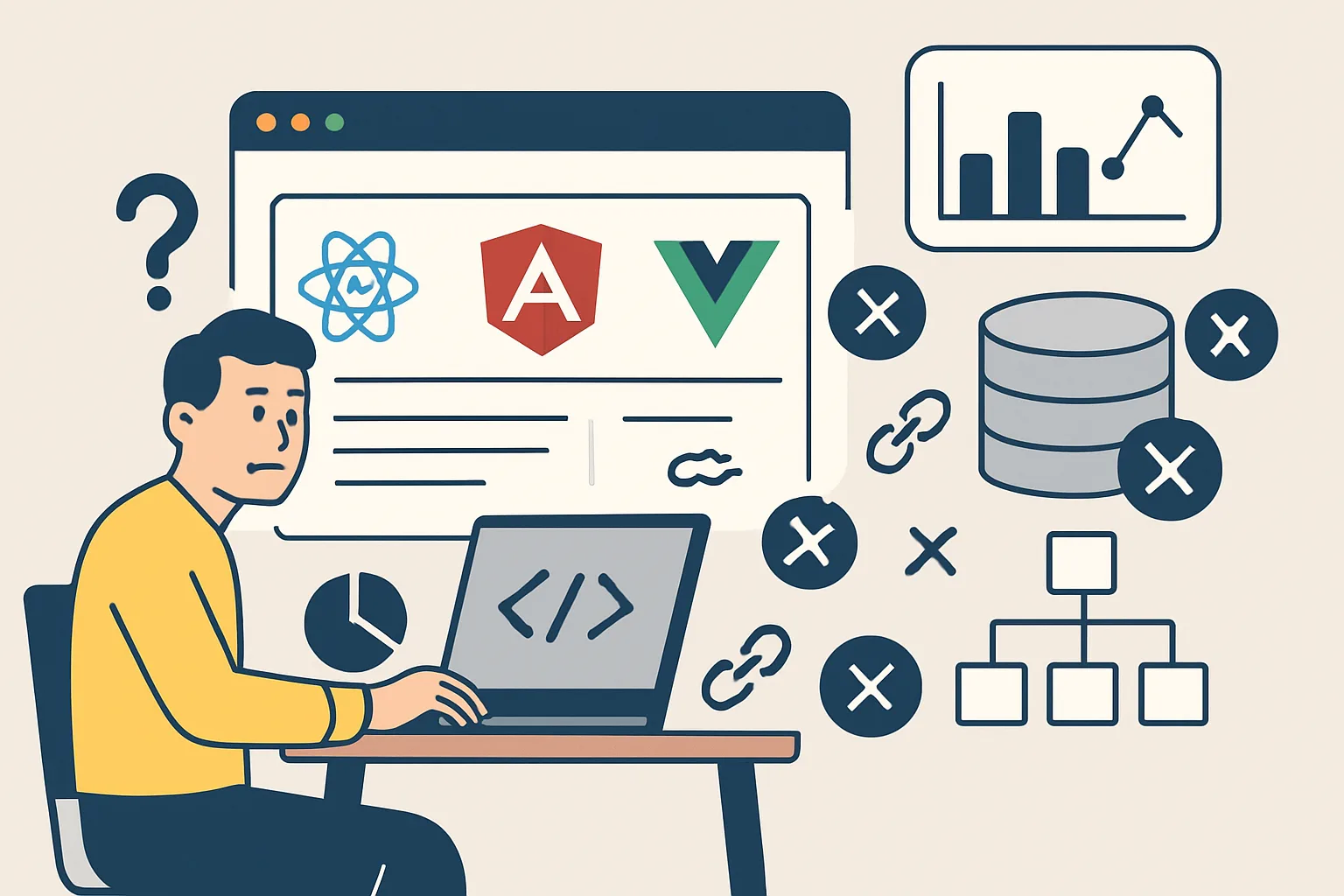
Data Layer Tracking on SPAs: React, Angular, and Vue Challenges
Single-page applications change URL without a page reload, breaking traditional GTM page view tracking. This guide covers data layer patterns for accurate SPA analytics.
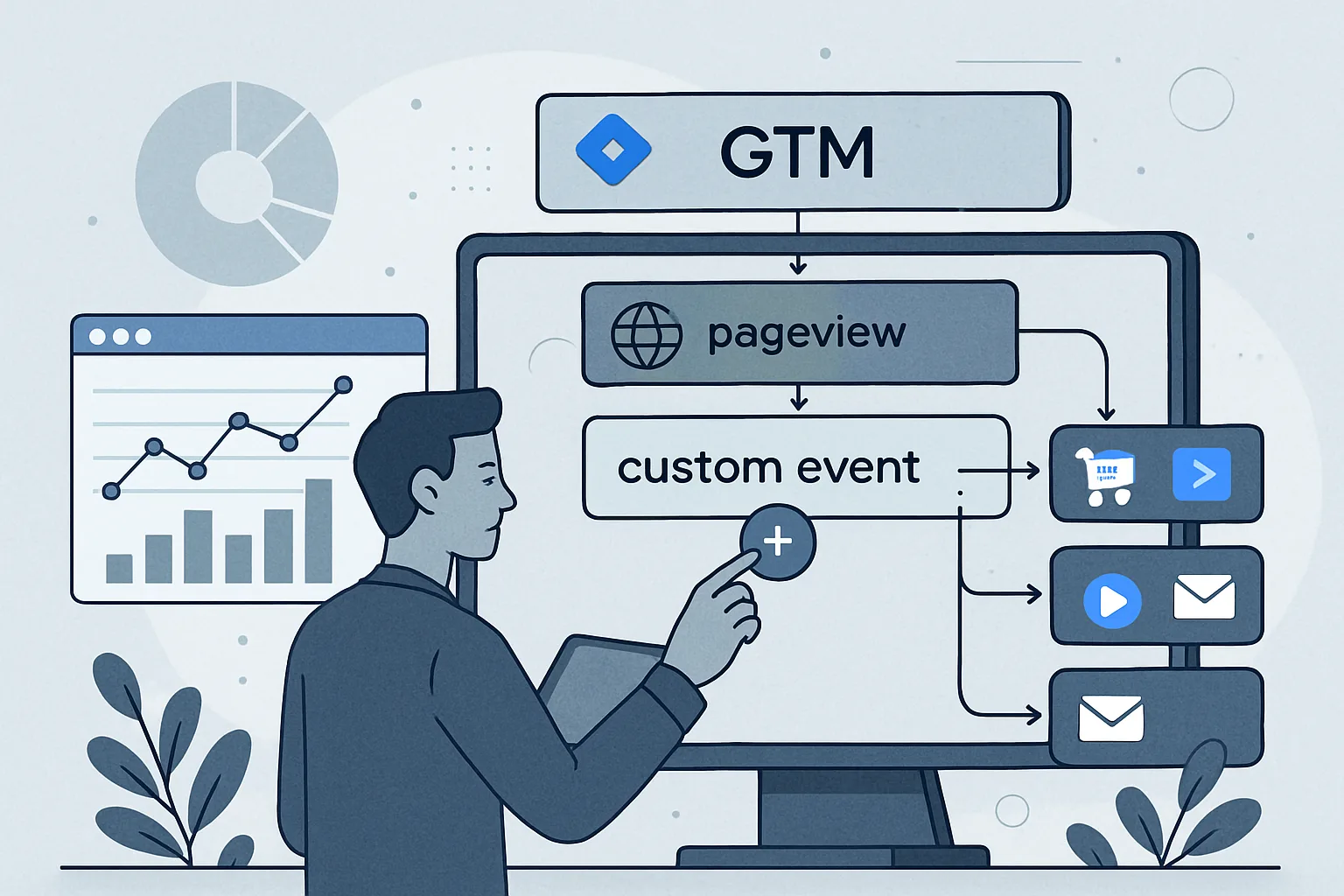
Custom Events in the GTM Data Layer: Beyond Pageview
Most valuable tracking happens beyond the pageview. Custom data layer events let you track button clicks, form submissions, downloads, video plays, and any user interaction with precision.
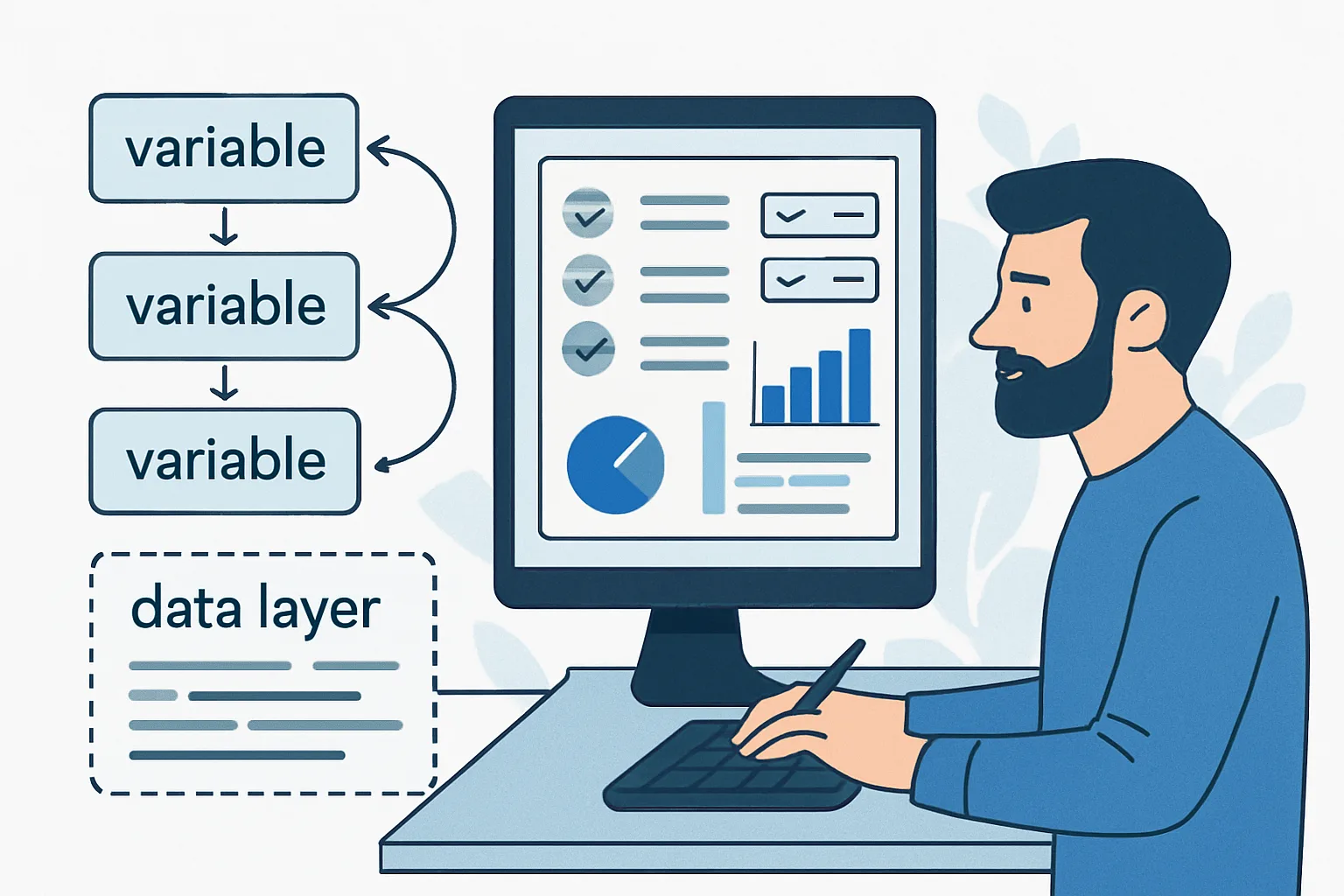
GTM Variables: Reading Data from the Data Layer
GTM Data Layer Variables let you extract values from data layer pushes and use them in tag parameters and trigger conditions. This guide explains how to configure them correctly.
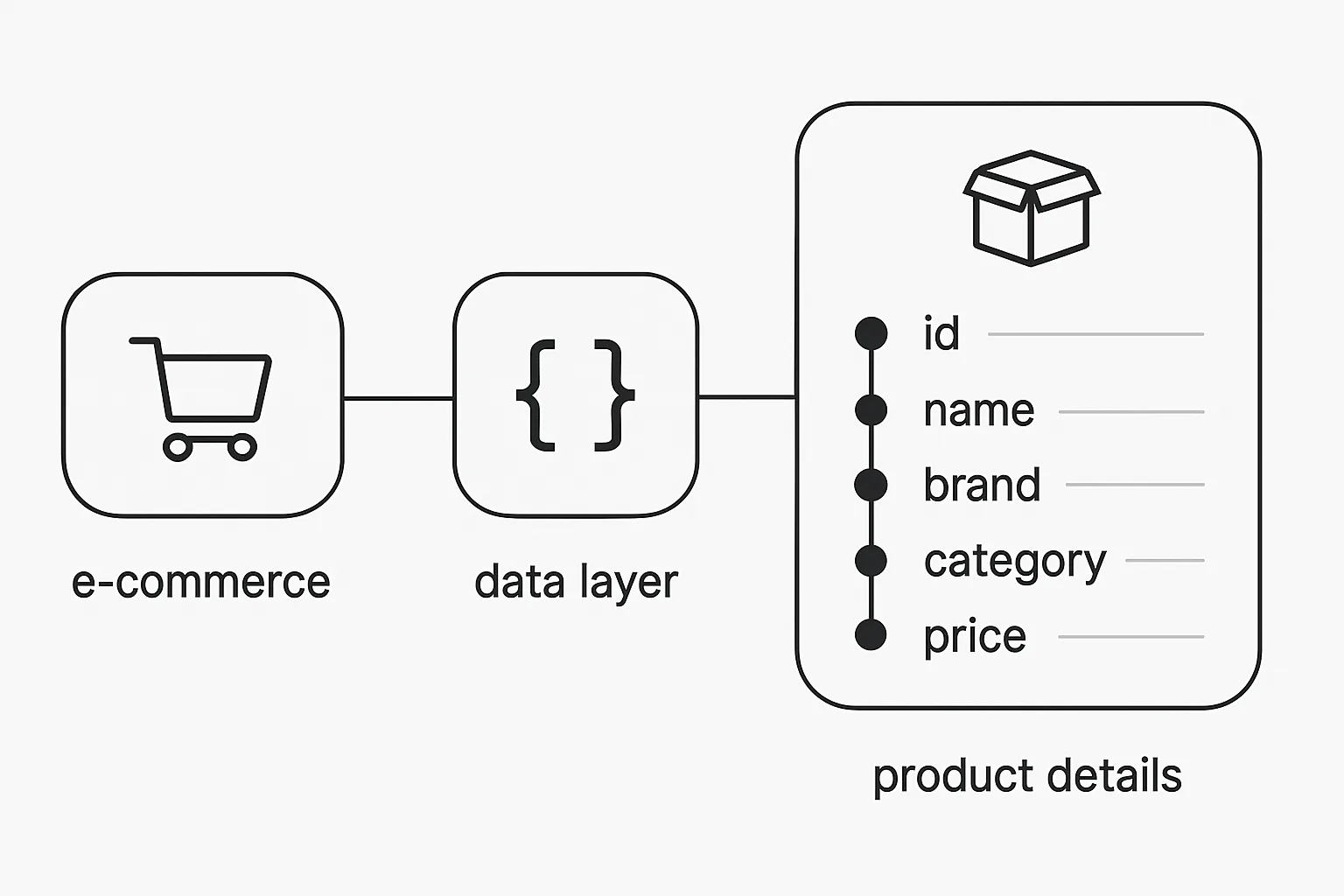
The Complete Ecommerce Data Layer Setup for GA4
GA4 ecommerce tracking requires a specific data layer structure for product impressions, add to cart, checkout, and purchase events. This guide covers every event with correct field names.
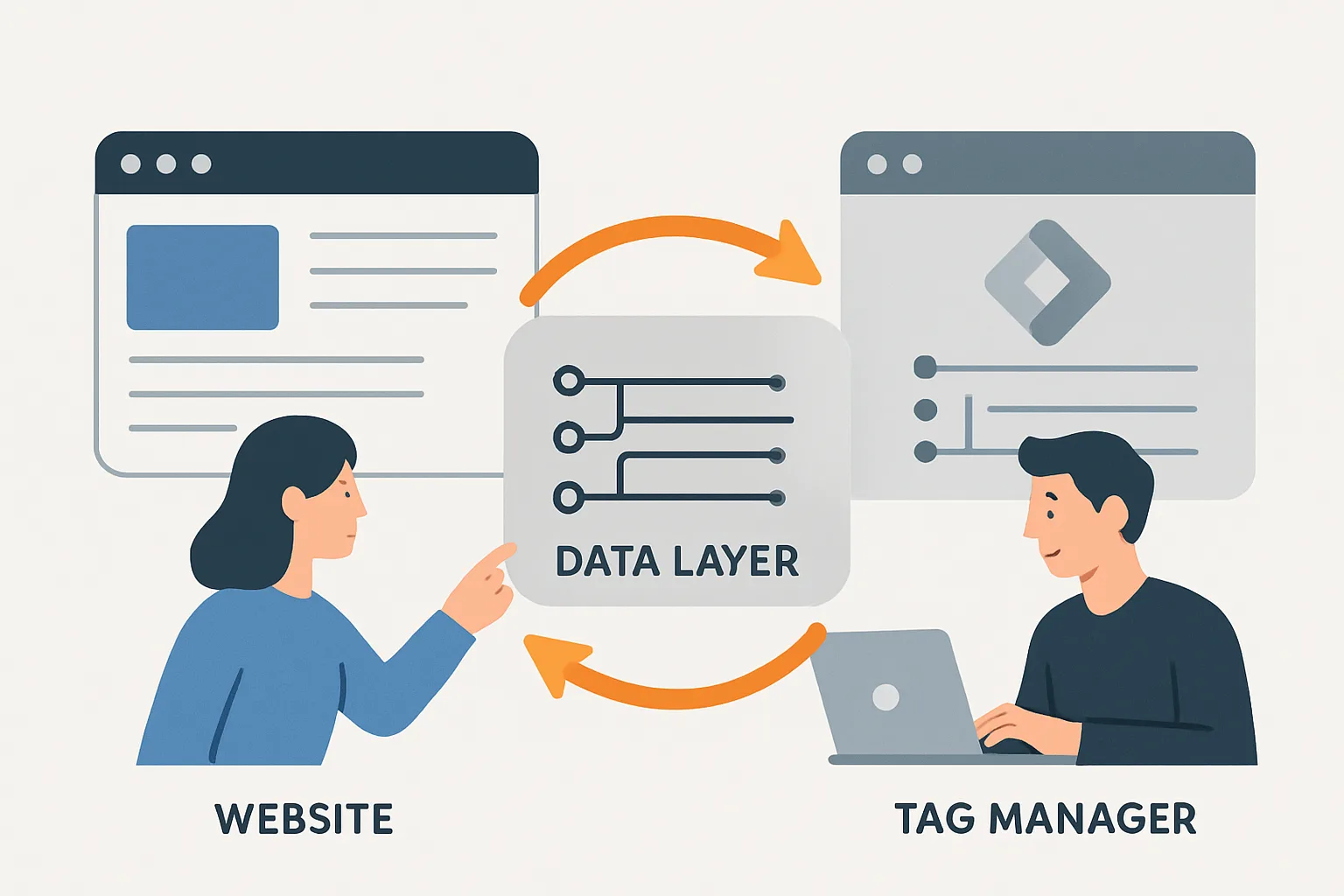
What Is the GTM Data Layer and Why Does It Matter for Tracking?
The GTM data layer is a JavaScript object that acts as a communication bridge between your website and Google Tag Manager. This explainer covers what it is, how it works, and why it matters.
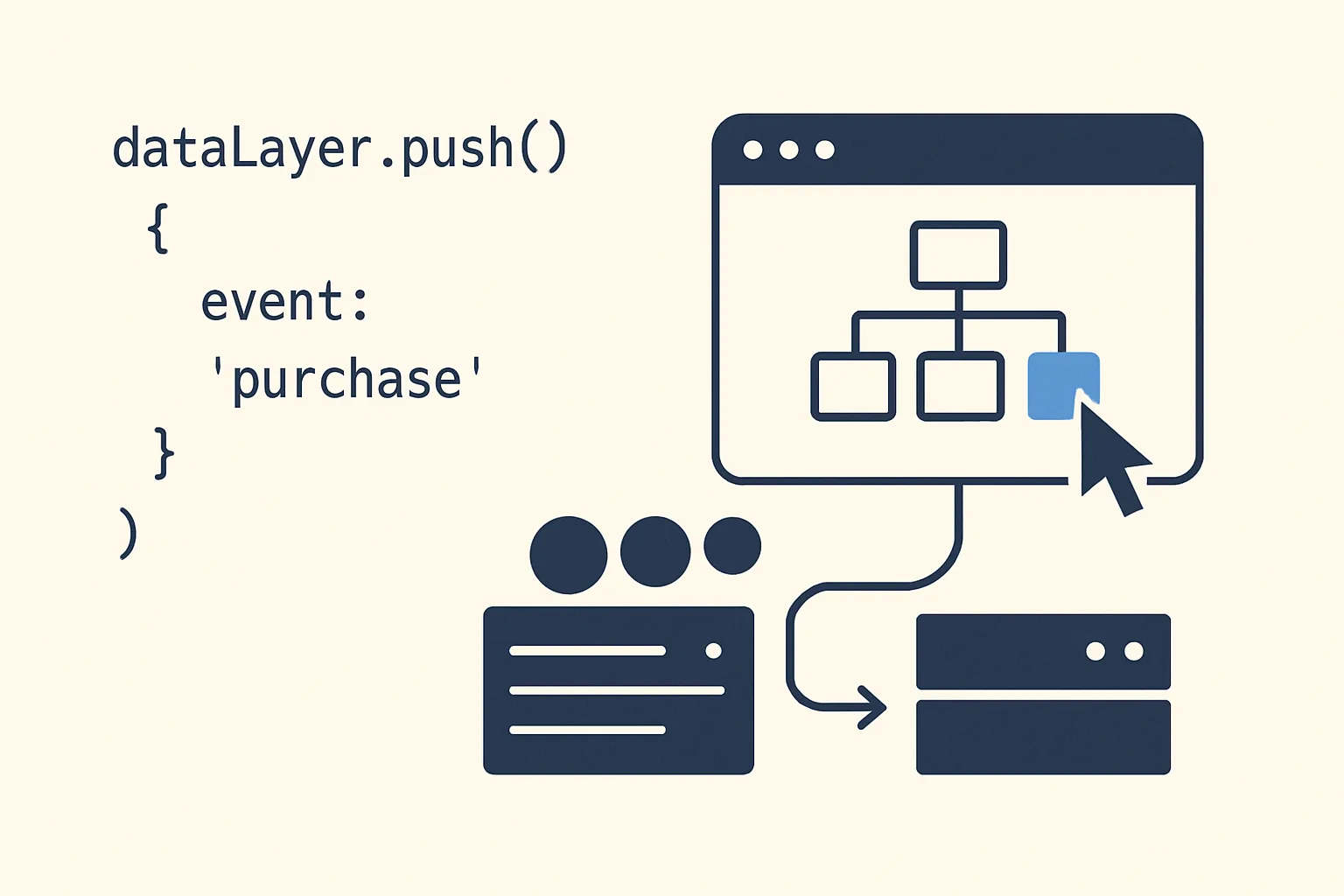
dataLayer.push Syntax: The Complete Reference Guide
dataLayer.push is the core API for sending events and data to GTM. This reference guide covers the syntax, the event field, data persistence, variable reading, and common patterns.

Value Optimisation on Meta: Feeding Purchase Values Through CAPI
Meta Value Optimisation targets users most likely to make high-value purchases. It requires consistent, accurate purchase values in your CAPI events. Learn how to implement it correctly.
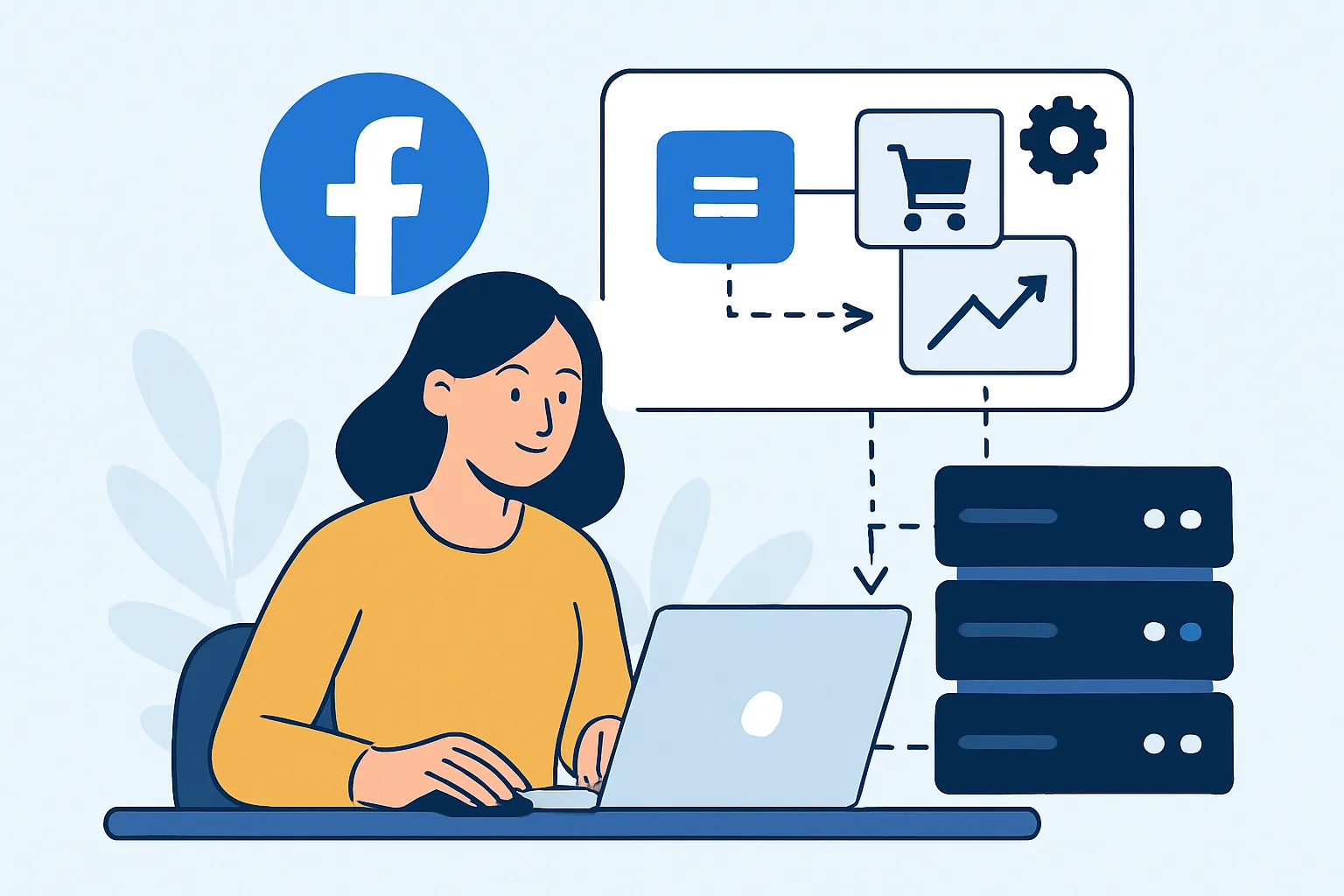
Facebook CAPI Without a Developer: What's Realistic
Several no-code and low-code paths to Facebook CAPI exist for businesses without development resources. Here's an honest assessment of what's achievable without a developer.
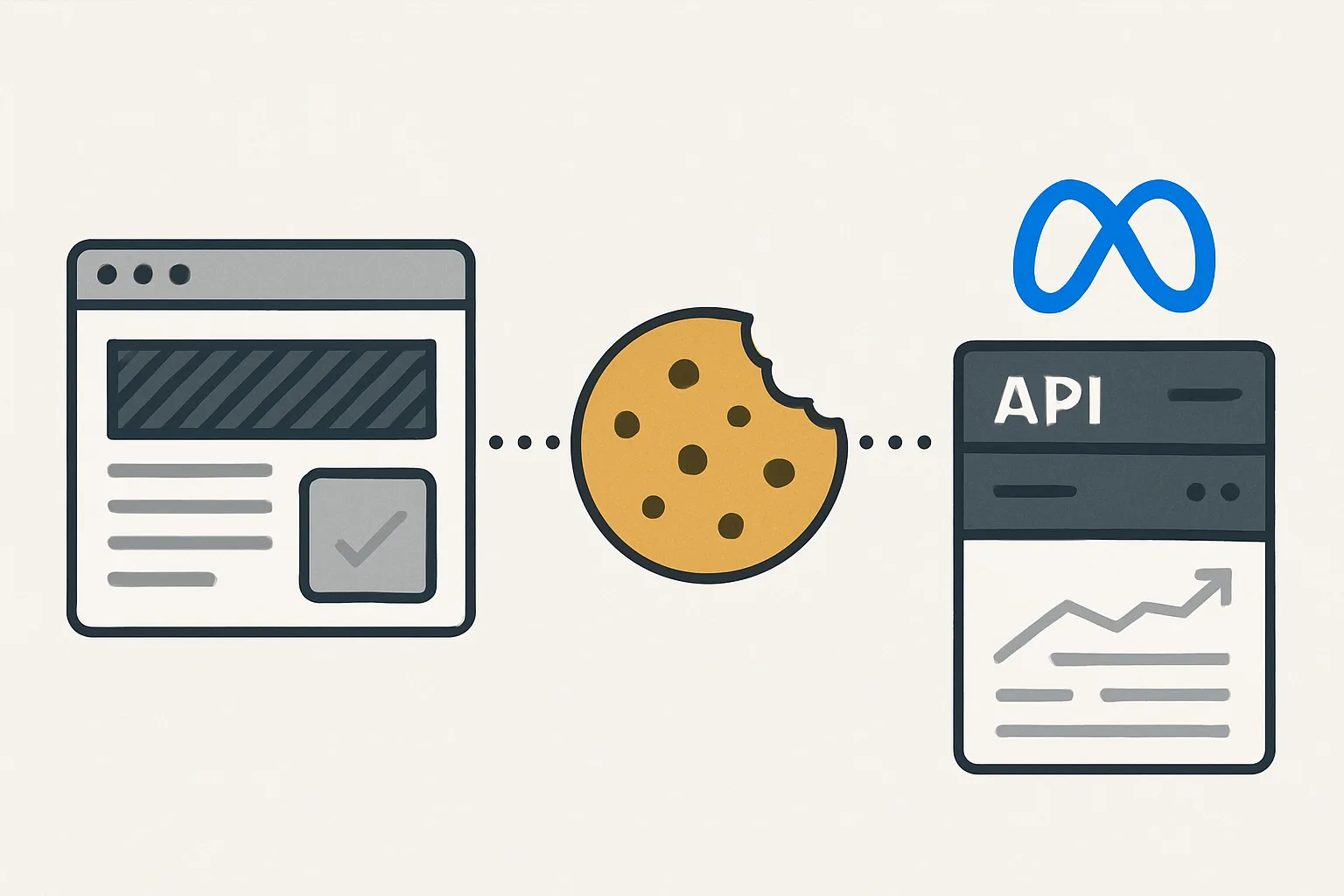
FBP and FBC Cookies Explained: Meta's Attribution Building Blocks
The _fbp and _fbc browser cookies are Meta's primary attribution signals. This guide explains what they are, how they work, and why passing them in CAPI events matters.
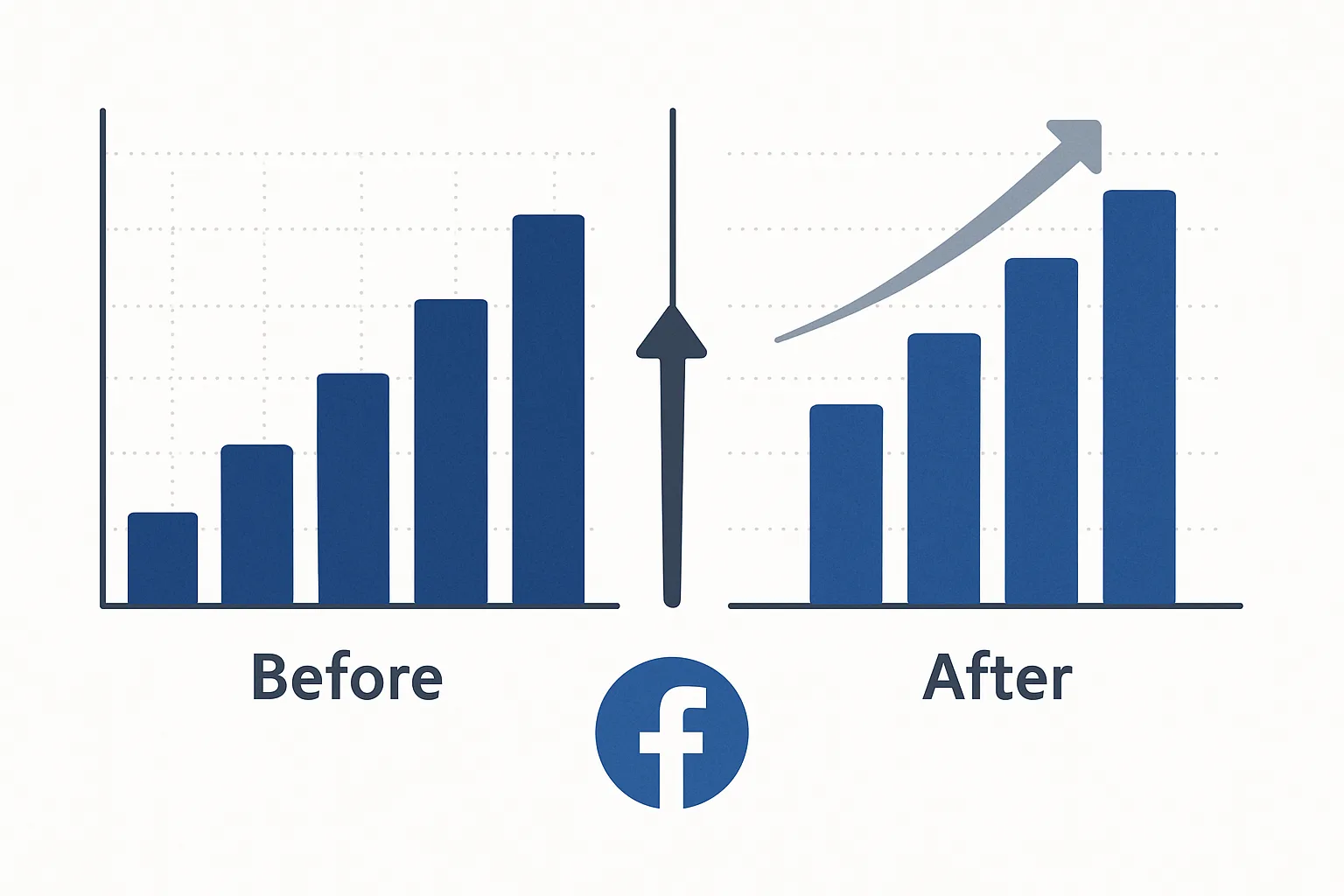
How to Measure the Uplift After Implementing CAPI
After implementing CAPI, how do you know if it is working and how much it improved performance? This guide explains how to measure the uplift from CAPI implementation.
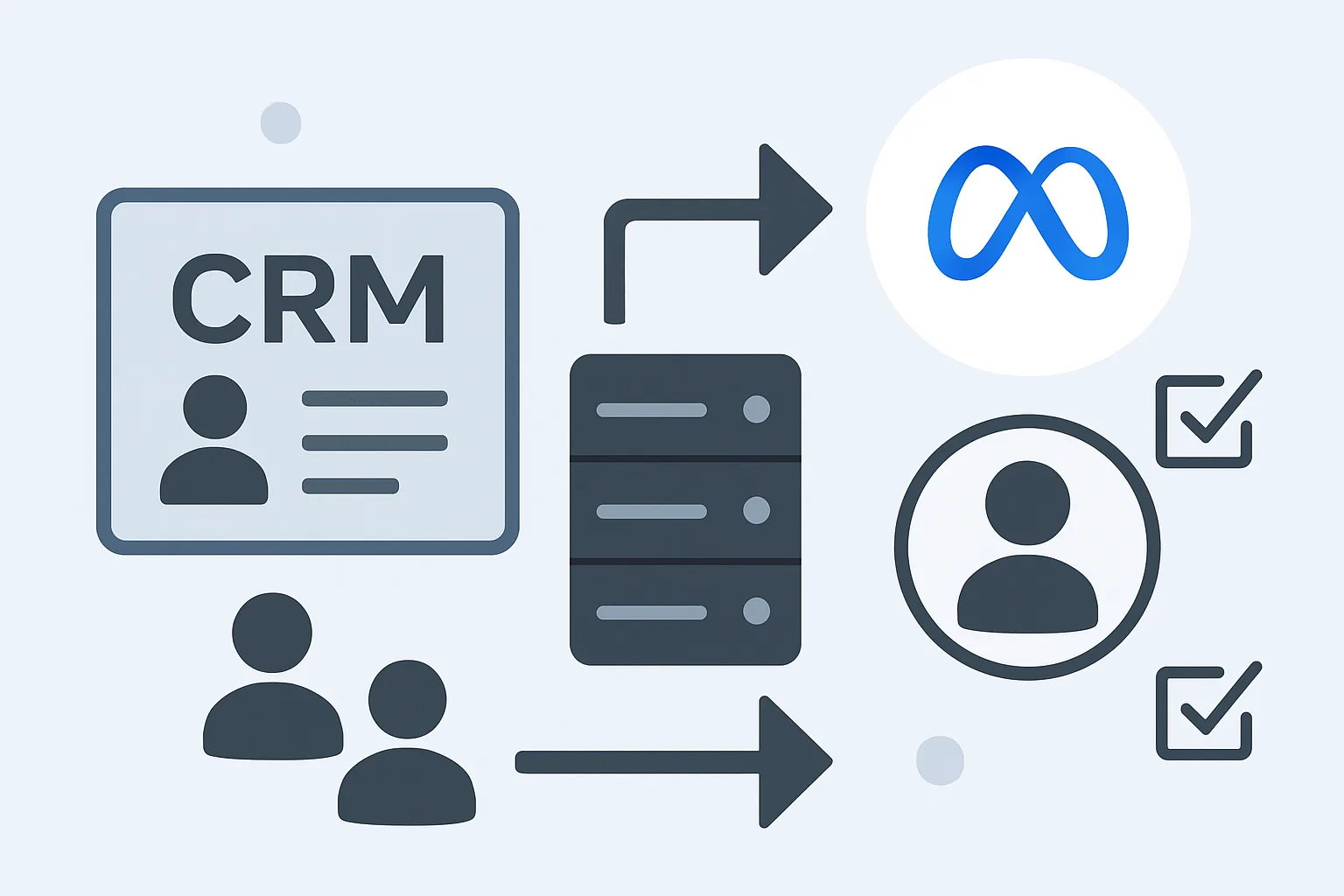
Facebook CAPI for Lead Gen: Sending CRM Qualified Leads Back to Meta
For B2B and lead gen businesses, sending only web form submissions to Meta is not enough. CAPI can send CRM-qualified leads back to Meta, teaching the algorithm to find better prospects.
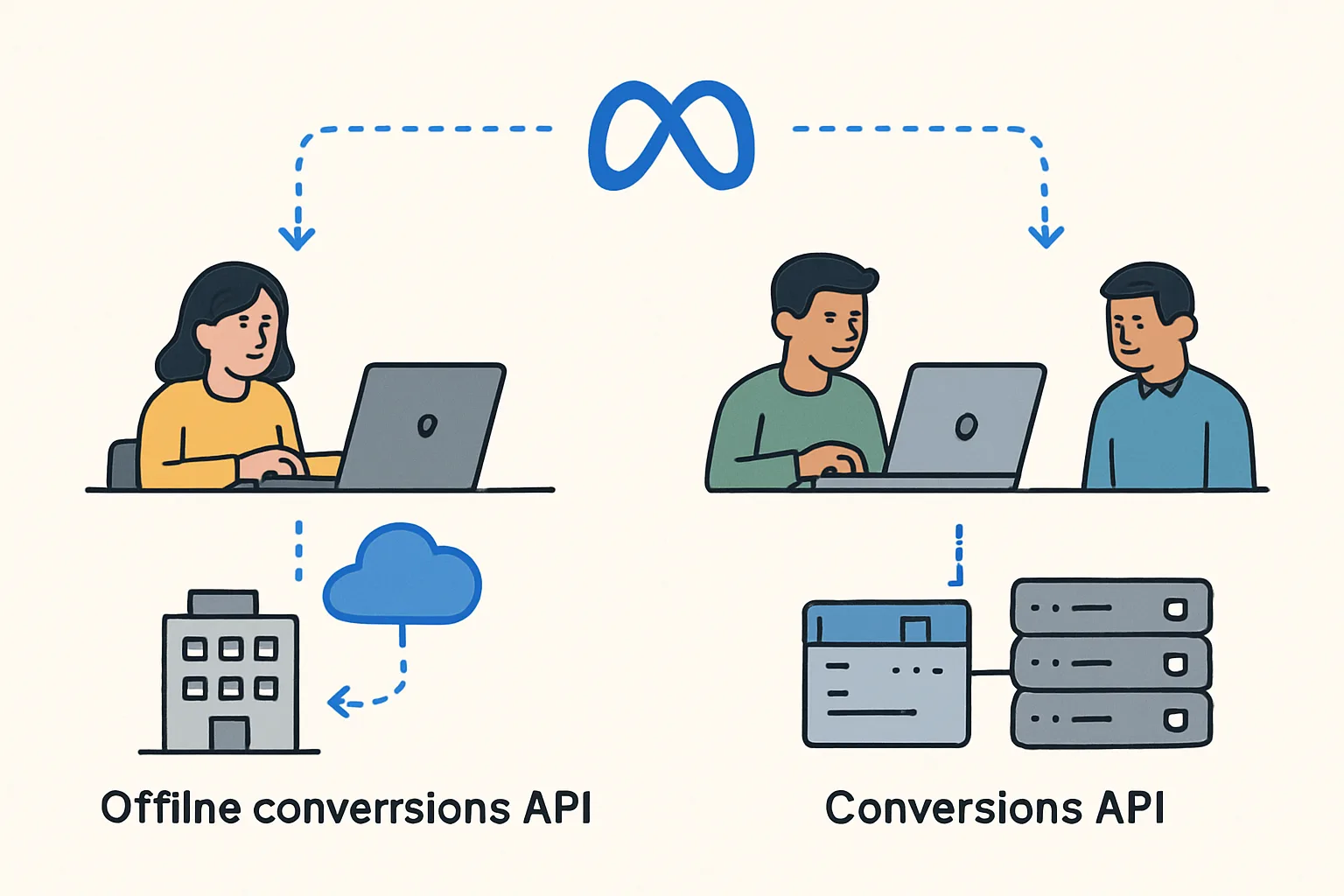
Offline Conversions API vs Conversions API: What's the Difference
Meta has two server-side conversion APIs — the Conversions API (for website events) and the Offline Conversions API (for in-store or phone sales). Learn which you need and when to use both.