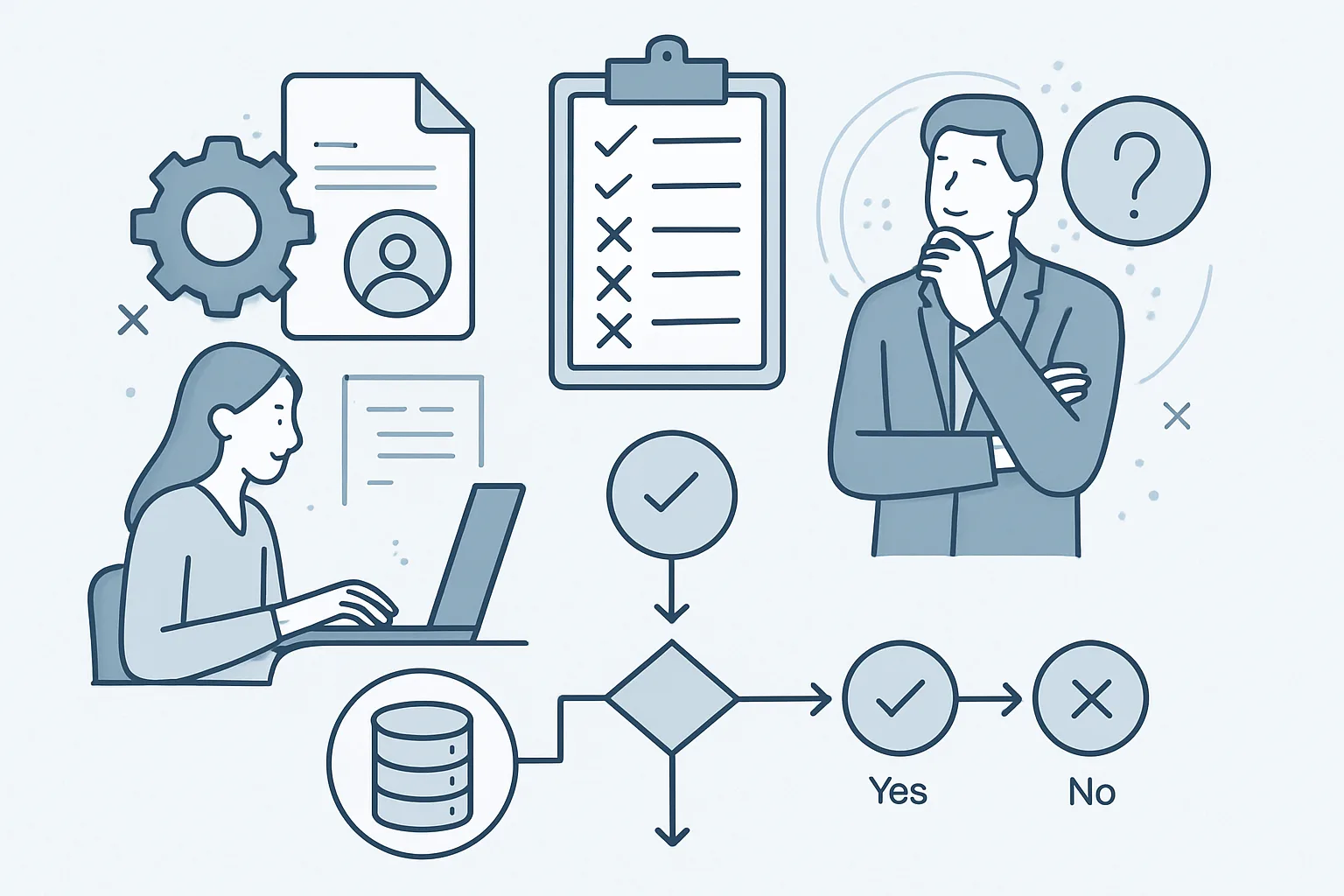
The Honest Answer
Most businesses that inquire about CDPs don't actually need one yet. They need better data collection fundamentals — cleaner event tracking, a well-structured data layer, and consistent naming conventions — before layering a CDP on top.
A CDP built on poor upstream data collection doesn't solve data problems; it scales them. Our CDP implementation team regularly encounters businesses mid-implementation realizing their tracking foundation wasn't ready. Starting with a readiness assessment prevents this expensive mistake.
The Foundation Requirements (Pre-CDP)
Before evaluating CDPs, you should have:
- Consistent event tracking: Events fired reliably across web and app with a defined schema
- A clean data layer: Structured GTM data layer with consistent naming conventions
- Multiple data sources that need unification: If all your customer data lives in one place, a CDP adds complexity without benefit
- Clear activation use cases: Specific personalization, segmentation, or ad targeting scenarios that require unified profiles
Signs You're Ready for a CDP
- You have customer data in 3+ systems that don't talk to each other (CRM, email, analytics, ads, app)
- You're losing revenue because you can't identify a customer across sessions or devices
- Your marketing team manually exports CSV files to sync audiences between tools
- You can't answer "who is our best customer segment and how should we treat them differently?" without a major data project
- You have web AND app AND offline touchpoints generating customer data
- You have engineering resources to maintain integrations (or you'll use a managed service)
- You have at least one high-value use case where unified profiles clearly generate revenue (e.g., cart abandonment re-engagement, LTV-based ad bidding)
Signs You're Not Ready for a CDP
- Your event tracking is inconsistent or incomplete — fix GTM tracking first
- You have only one digital channel (just website, no app)
- You don't have a team member who will own CDP operations ongoing
- Your annual marketing spend is under £500K — simpler integration tools may be more cost-effective
- You can't articulate a specific use case that requires unified profiles
- You want a CDP primarily for "data consolidation" but don't have activation plans — a data warehouse may serve you better
The "Wrong Reasons" to Get a CDP
"Our competitor has one." Tool adoption should follow business need, not competitive imitation. Your competitor's data stack may be solving problems you don't have.
"We want to be more data-driven." This is a cultural and process goal, not a technology goal. A CDP won't make your team data-driven; it'll just give a data-driven team better tools.
"It'll fix our tracking problems." It won't. CDPs ingest the data you send them. If your GTM implementation is unreliable, your CDP profiles will be unreliable. Fix tracking first.
The Alternative Path
For many businesses, the right path is:
- Fix event tracking fundamentals (GTM + data layer)
- Set up server-side tracking for reliable data collection
- Consolidate analytics in GA4 + BigQuery
- Use Reverse ETL for basic activation (syncing warehouse segments to marketing tools)
- Evaluate a CDP once you've validated use cases that require real-time activation or complex identity resolution
The Readiness Score
Score your organization on these 5 factors (1–5 each):
- Event tracking quality and consistency: ___
- Number of data sources needing unification: ___
- Clear revenue-generating use case for unified profiles: ___
- Technical resources to implement and maintain: ___
- Organizational buy-in and data strategy maturity: ___
Total score 18–25: You're likely ready for a CDP evaluation. Score 10–17: Focus on foundations first. Score under 10: Invest in tracking infrastructure before considering a CDP.
Want an expert assessment? Contact our CDP team for a free readiness evaluation tailored to your specific situation.
Need expert tracking setup?
Our Google Tag Manager experts have delivered 500+ tracking setups with a 98% success rate.
Get a Free Consultation →