What is search engine marketing (SEM)?
Search engine marketing is paid advertising on search engines like Google and Bing. Ads appear in search results when users search for relevant keywords. You pay when users click your ads, making SEM a highly accountable, intent-based advertising channel.
What is the difference between SEM and SEO?
SEM is paid advertising that generates immediate traffic from search engines. SEO focuses on improving organic search rankings over time. Both aim for search visibility but through different methods. SEM provides immediate results; SEO builds long-term authority. Most businesses benefit from investing in both.
Which search engines do you run SEM on?
We primarily manage SEM on Google Ads (the largest search platform) and Microsoft Advertising (Bing Ads). Together these cover 95%+ of search advertising opportunities. We advise on other search channels as appropriate for your market.
How does SEM targeting work?
SEM targeting primarily uses keywords — you bid to appear when users search for specific terms. Additional targeting layers include geographic location, device type, time of day, audience characteristics, and demographic attributes. We layer these signals to reach your ideal customers efficiently.
How do you measure SEM ROI?
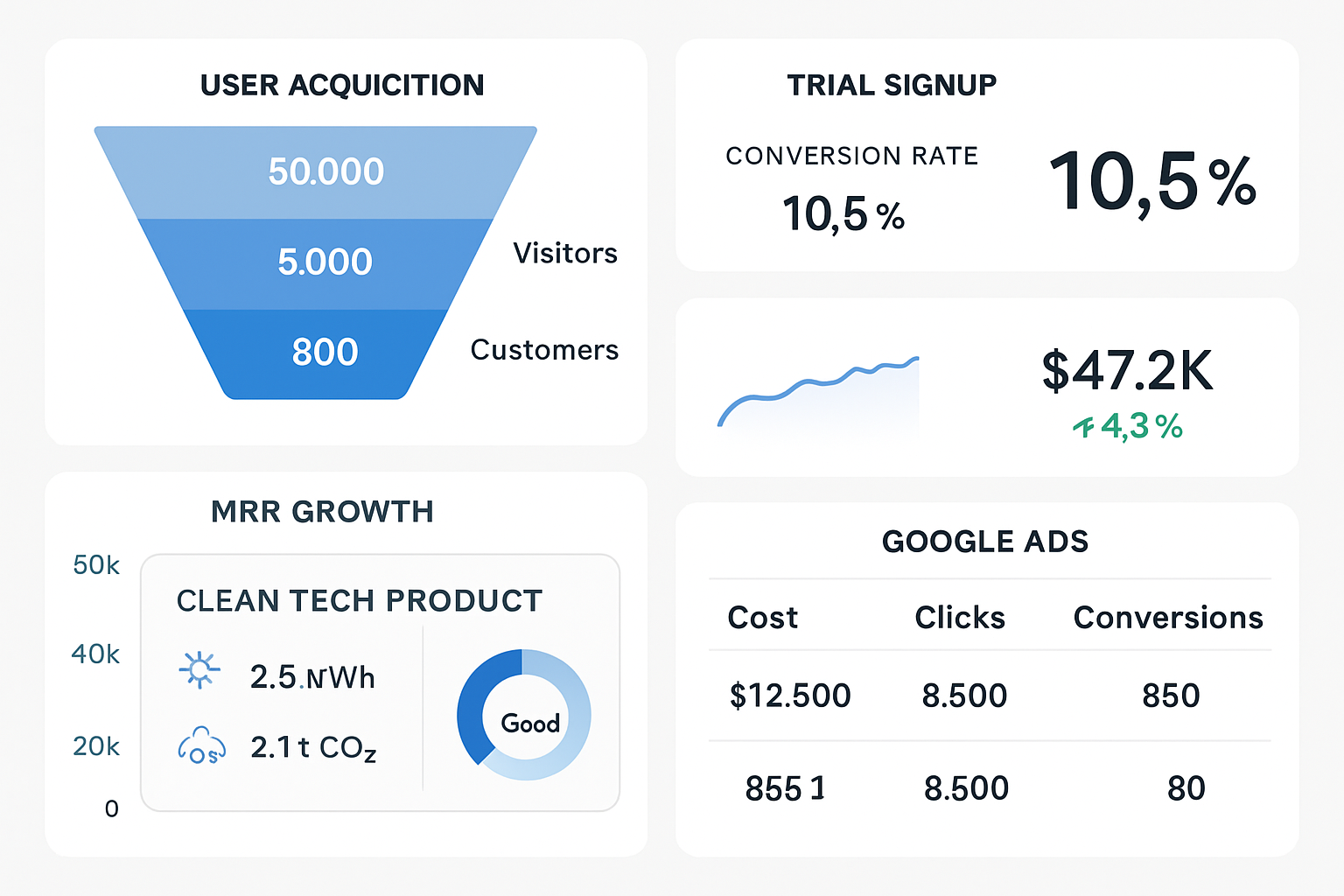
We implement comprehensive conversion tracking for all valuable actions — purchases, form fills, phone calls, live chat — then attribute those conversions to specific campaigns, ad groups, and keywords. This enables true ROI measurement showing the revenue generated per dollar of SEM investment.
Can SEM work for B2B businesses?
Yes, SEM is highly effective for B2B when properly configured. B2B SEM requires specific keyword strategies targeting buying intent rather than research queries, qualified lead form optimization, and often longer attribution windows to account for extended B2B buying cycles.
How does SEM work for local businesses?
Local SEM combines precise geographic targeting with call-focused campaign types (call-only ads, Local Services Ads) and location extensions. We optimize for phone calls and form submissions rather than purchases, aligning campaign strategy with how local customers actually contact businesses.
What is Google Performance Max and should I use it?
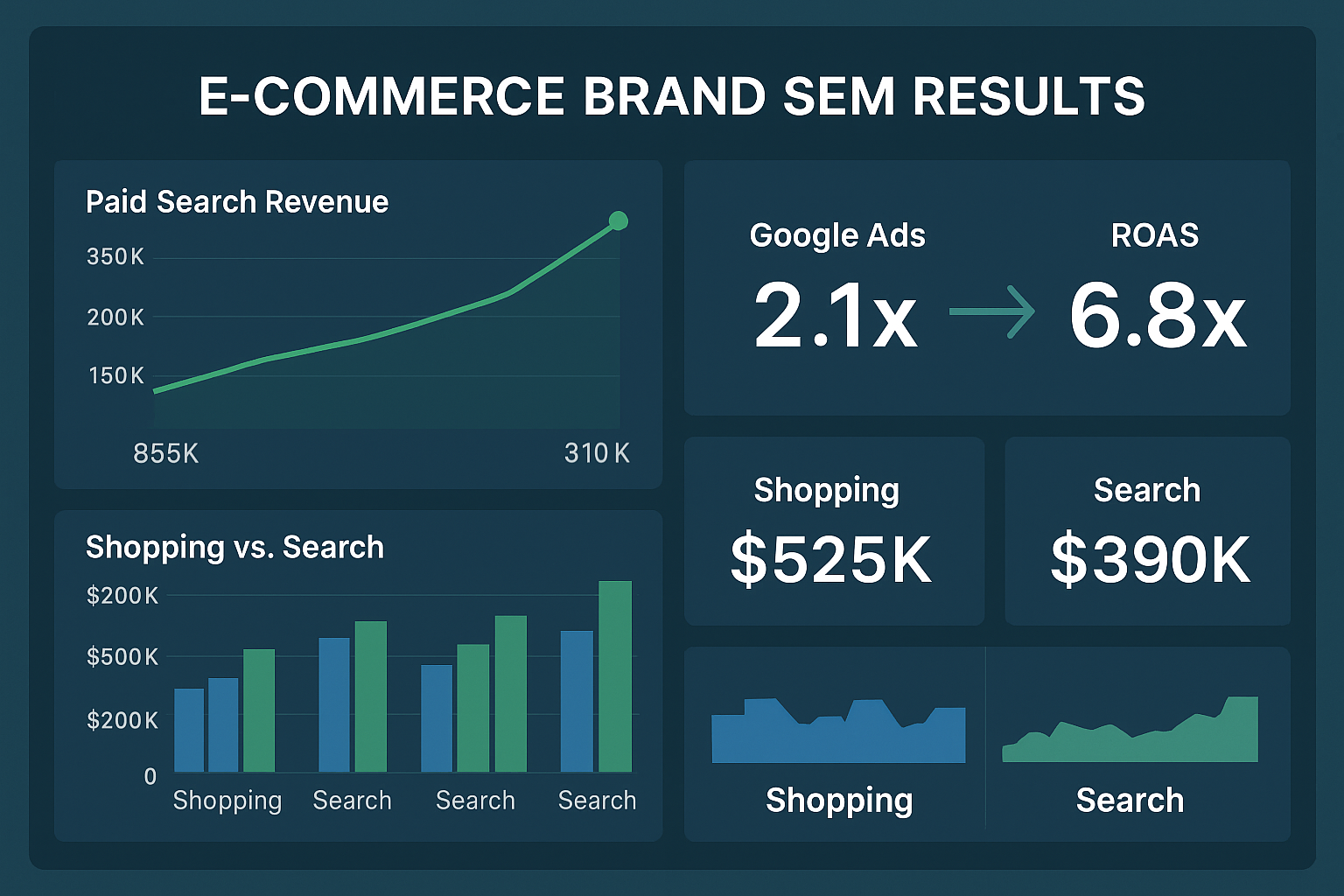
Performance Max is Google's AI-powered campaign type that serves ads across all Google surfaces. It's particularly effective for e-commerce when product feeds are optimized and audience signals are configured correctly. We determine whether PMax is appropriate for your account based on your goals and budget.
Can SEM replace our SEO investment?
SEM and SEO serve complementary roles. SEM provides immediate visibility and is ideal for commercial-intent keywords; SEO builds long-term authority and can be more cost-effective at scale. Most businesses achieve better overall results by investing in both rather than treating them as alternatives.
What budget is needed to start SEM?
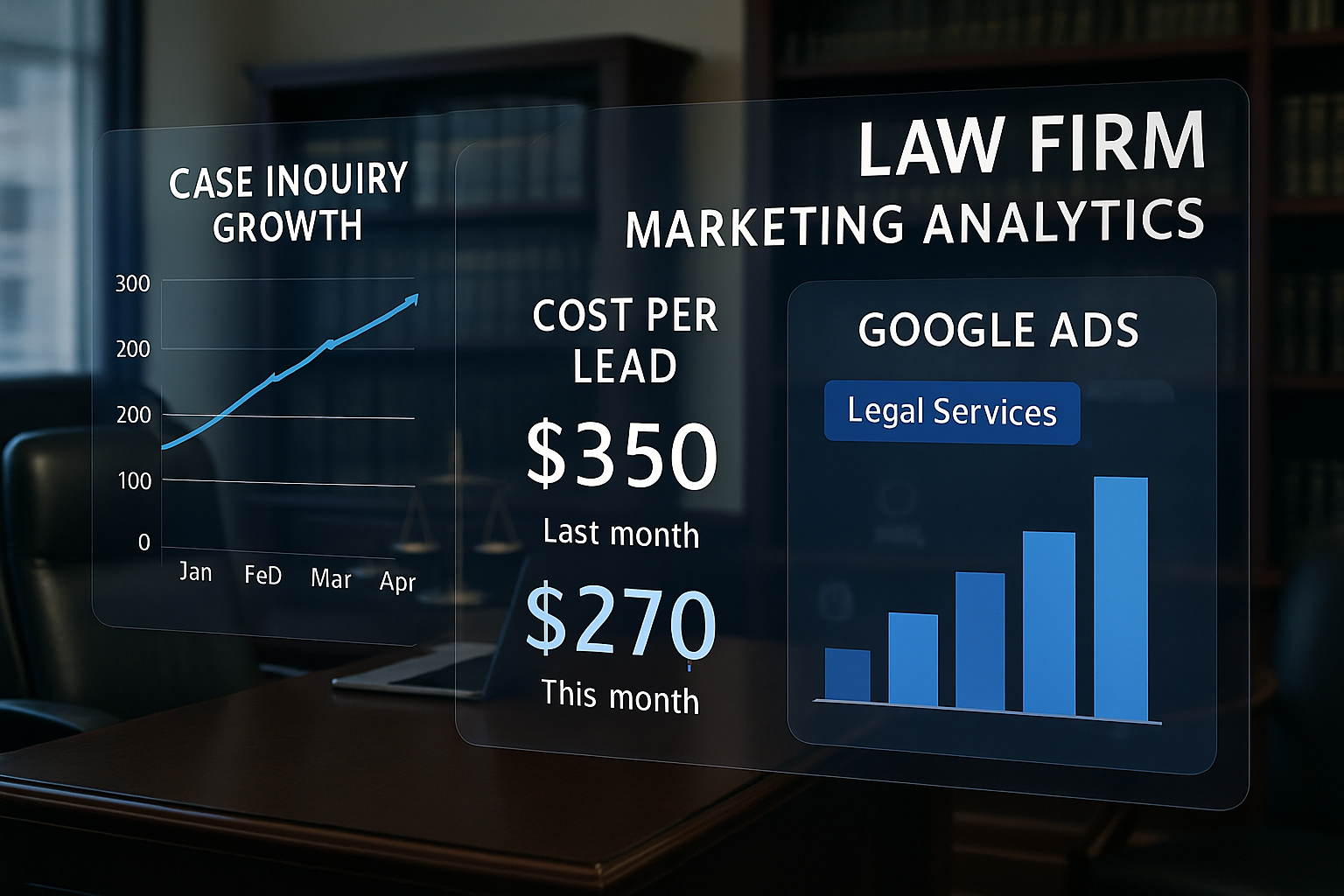
Effective SEM typically starts at $1,500-3,000/month in combined ad spend across platforms. Competitive industries (legal, finance, insurance) may require higher starting budgets. We analyze your specific market and goals to recommend appropriate starting budgets with realistic performance expectations.