What Real-Time Personalization Means
Real-time personalisation means changing what a user sees on your website or in your app based on who they are and what they've done — not just in that session, but across their entire history with your brand. It's the difference between showing a first-time visitor your generic homepage and showing a returning customer who previously viewed winter coats a homepage featuring the winter collection with their last-viewed products prominent.
The CDP's Role in Personalisation
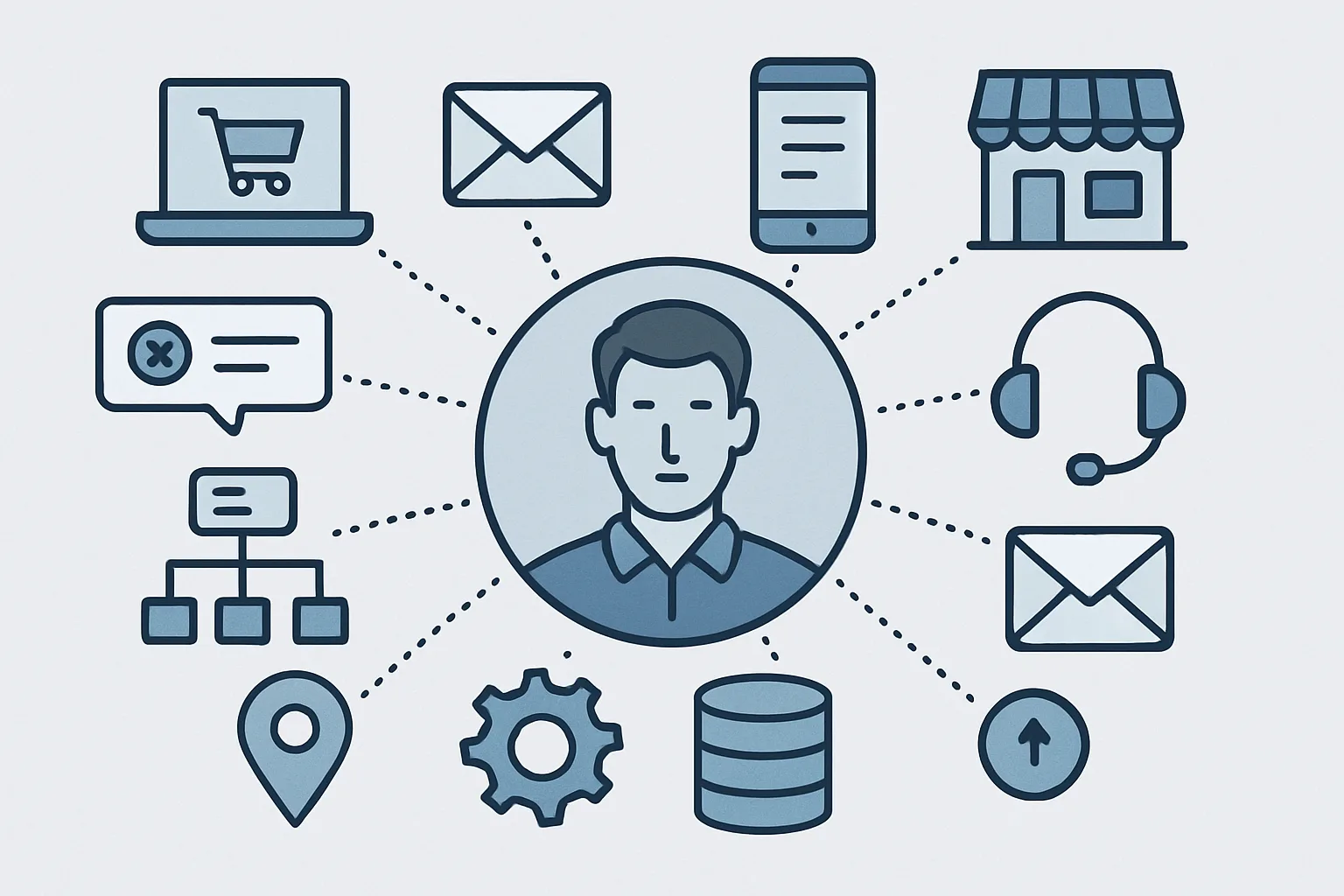
A personalisation engine needs to know who the current visitor is and what's known about them before it can personalise. The CDP provides this in real time: when a user loads a page, a CDP identity lookup (via API or SDK) returns their profile — segment membership, purchase history, behavioural attributes, predicted intent signals. The personalisation engine uses this profile to select the appropriate experience.
Personalisation Architecture
The typical stack:
- CDP (Segment/RudderStack): Maintains unified profiles and real-time profile API
- Personalisation engine (Dynamic Yield, Optimizely, Monetate, or custom): Defines personalisation rules and executes experience selection
- Content management system or website: Renders the selected experience
The CDP and personalisation engine integrate via API: the personalisation engine calls the CDP's Profile API with the current user's identifier, receives their profile attributes, and selects the appropriate content variant.
Personalisation Use Cases by Priority
- Homepage hero: Different messaging for new vs returning visitors, or for known high-intent users
- Product recommendations: Based on browse and purchase history from CDP
- CTAs and offers: Different discount levels for different customer value segments
- Content: B2B vs B2C messaging based on company size from CRM data in CDP
- Email content blocks: Personalised email sections based on CDP segments
Measurement
Personalisation requires rigorous A/B testing to verify that personalised experiences actually improve outcomes vs. the default experience. Run each personalisation as an experiment with control and treatment groups. Track revenue per visitor, conversion rate, and engagement metrics. Our CDP implementation service includes personalisation architecture design and measurement setup.
Need expert tracking setup?
Our Google Tag Manager experts have delivered 500+ tracking setups with a 98% success rate.
Get a Free Consultation →