Not Everything Needs a Server
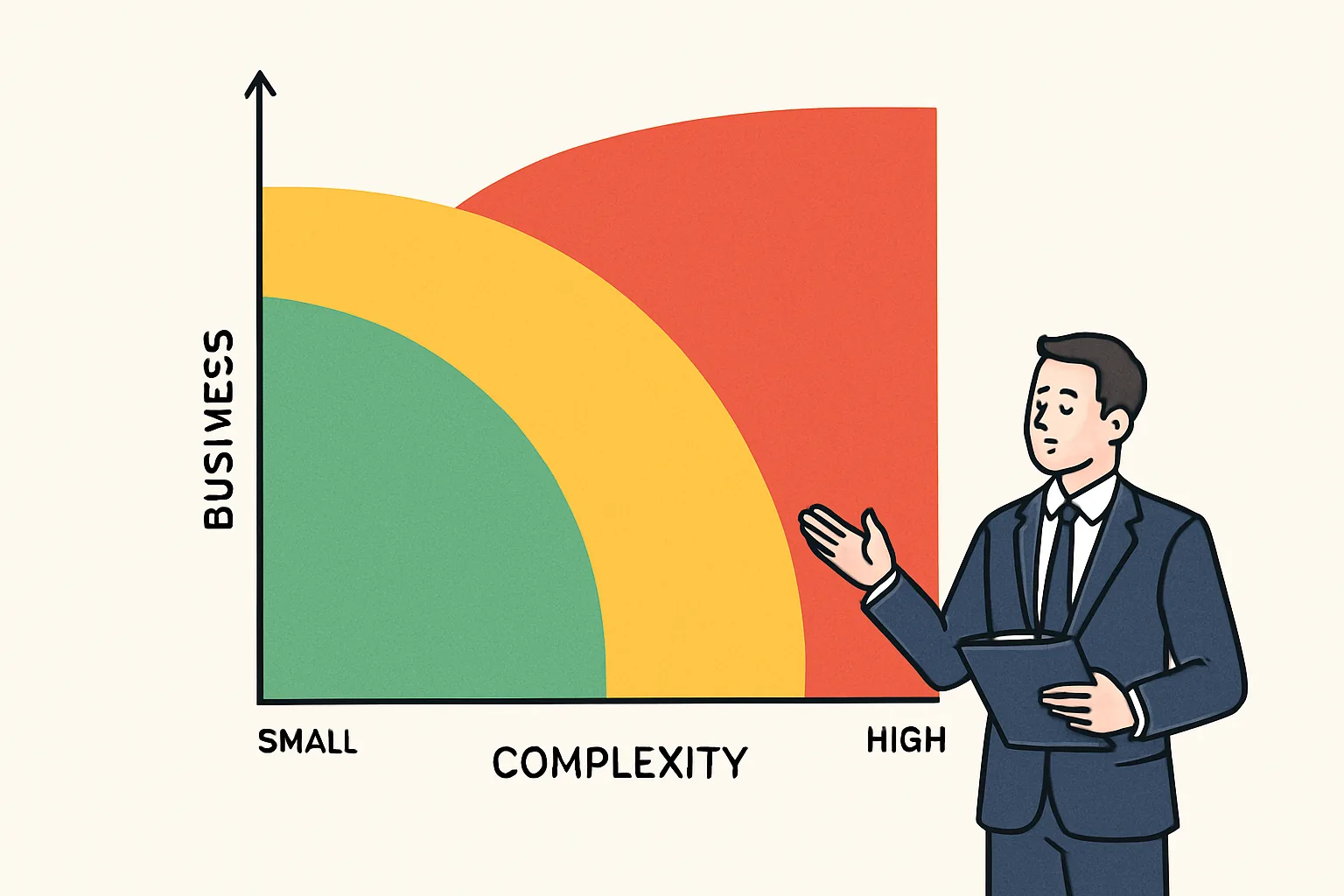
Server-side tracking has genuine benefits — better data quality, ad blocker resistance, longer cookie lifetimes. But it also has real costs: implementation complexity, infrastructure to maintain, and an ongoing hosting bill. For some businesses, the benefits do not justify these costs, and a simpler approach is the right answer.
Here is an honest framework for making the decision.
Signs That SST Is Probably Overkill
- Monthly ad spend under £1,500: at this spend level, the improved bidding signal from better data is worth less than the implementation and hosting cost. Basic client-side tracking is sufficient.
- General consumer audience with low tech engagement: if your audience is 60%+ mobile, general consumer (not tech professionals), ad blocker rates are likely under 15%. Data loss is minimal.
- Simple, single-session purchase journey: if users typically visit once and buy on the same visit with a short consideration time, Safari's 7-day cookie cap does not matter — conversions happen within the window anyway.
- No Meta advertising: one of the strongest SST benefits (CAPI for Meta) is not applicable.
- No in-house technical resource and limited budget: SST needs ongoing maintenance. Without someone who can diagnose issues, it becomes a black box that may silently break.
- Just starting out: if you are still validating your business model and ad spend is experimental, build solid client-side tracking first. SST can come later when scale justifies it.
Signs That SST Is Clearly Worth Implementing
- Ad spend £5,000+/month: the bidding improvement value justifies the cost.
- B2B or tech audience: ad blocker rates above 35% mean significant data loss from client-side tracking.
- Consideration cycle longer than 7 days: Safari ITP affects your attribution.
- Meta advertising is significant: post-iOS14 CAPI improvement is measurable and significant.
- EU-heavy audience: Consent Mode + SST gives better data recovery than Consent Mode alone.
- Subscription business: renewal and churn tracking via webhooks is uniquely valuable.
The Middle Ground: Targeted Implementation
For businesses in the middle — £2,000-5,000 ad spend, mixed audience — consider a partial implementation:
- Implement only Meta CAPI via sGTM (often the highest ROI SST component)
- Skip GA4 server-side routing if your audience is not significantly Safari-heavy
- Use a managed hosting solution (Stape) to reduce infrastructure burden
- Skip data enrichment and webhooks until the core implementation proves value
Simpler Alternatives to Consider First
Before SST, ensure you have maximised the value of client-side tracking:
- Enhanced conversions for Google Ads (hashed email for better match rate)
- Meta CAPI via Meta's direct integration (without sGTM) — simpler setup for Meta-only benefit
- Consent Mode v2 correctly implemented
- Cross-domain tracking fixed if applicable
- Offline conversion uploads from CRM if your sales cycle involves sales team interaction
Many of these improvements require no server infrastructure and deliver meaningful data quality improvements.
Summary
Server-side tracking is the right tool for businesses with significant ad spend, tech-forward audiences, long consideration cycles, or heavy Meta advertising. For smaller businesses with simpler tracking needs, it is often overkill — a well-implemented client-side setup with enhanced conversions and Consent Mode v2 is a better use of resources. Evaluate honestly before committing to the complexity.
See our Server-Side Tracking service for an honest assessment of your specific situation.
Not sure if you need server-side tracking? Contact Adslytics for a free consultation.
Need expert tracking setup?
Our Google Tag Manager experts have delivered 500+ tracking setups with a 98% success rate.
Get a Free Consultation →