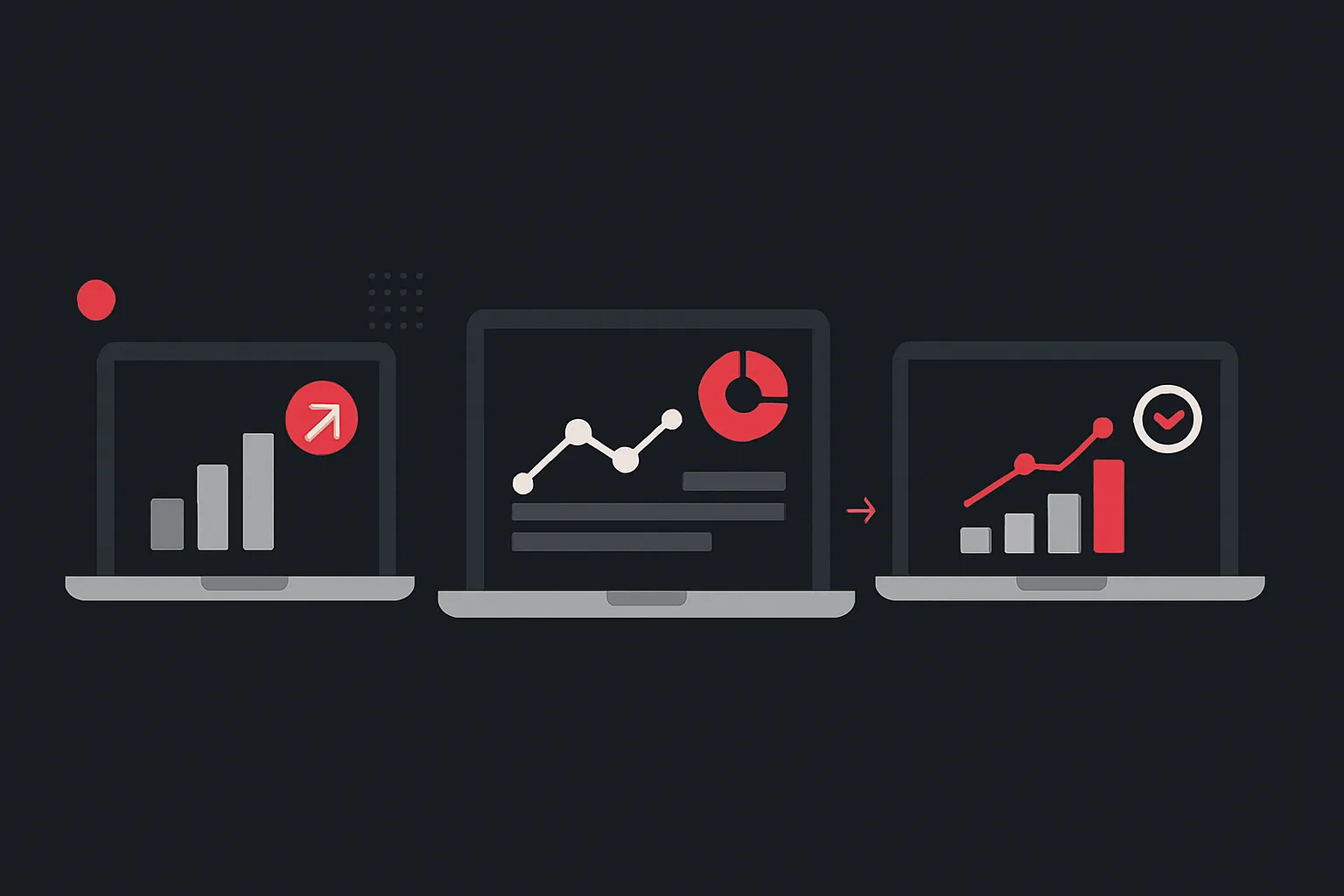
Understanding how to effectively track your business metrics is crucial at every stage of your company's growth. Whether you're a startup looking to establish your footprint, a growing business aiming to optimize operations, or a scaling enterprise ready to dominate your market, having the right tracking stack can set you apart. In this blog post, we explore the tracking stack by business stage: Startup, Growth, and Scale. These insights will help you choose the right tools and strategies tailored to your company's needs, enabling you to make informed decisions and accelerate your success.
Tracking for Startups: Building the Foundation
For startups, the primary focus is often on establishing a product-market fit and building a customer base. In this crucial early stage, the tracking stack should prioritize data collection that helps inform these foundational aspects.
- Google Analytics: This is essential for tracking website traffic and understanding user behavior. You can identify which channels drive visitors and how they interact with your content.
- Facebook Pixel: If social media plays a role in your marketing strategy, the Facebook Pixel will help track conversions and retarget potential customers based on their interactions.
- Mixpanel: Use this for deep-dive analytics. Mixpanel enables you to track user actions and analyze engagement, empowering you to make data-driven decisions concerning product features and user experience.
- Email Analytics Tools: Tools like Mailchimp or SendGrid can track email open rates and click-through rates, providing insight into your marketing efficacy.
In the startup phase, ensure that you're not overwhelmed by data. Focus on metrics that align with your immediate goals, such as user acquisition costs, engagement rates, and initial conversion metrics.
Tracking for Growth: Optimizing Performance
Once your startup gains traction, transitioning to the growth stage requires a more sophisticated tracking stack that will help optimize operations and improve customer conversion rates. Enhanced tracking capabilities foster informed decision-making, allowing you to optimize your marketing efforts efficiently.
- Google Data Studio: Integrating data sources into Google Data Studio can create comprehensive dashboards that provide a clear view of all your metrics in one place. This tool simplifies reporting and helps visualize trends over time.
- Lead Tracking Software: Utilize tools like HubSpot or Salesforce to monitor leads through your sales funnel. These tools also provide analytics on lead conversion and ROI for different channels.
- User Feedback Tools: Tools like SurveyMonkey can help to collect valuable customer feedback. Understanding customer satisfaction can refine your offerings and improve retention.
- A/B Testing Tools: Implement tools such as Optimizely or VWO to conduct split tests, enabling you to experiment with different strategies and find what resonates best with your audience.
In the growth stage, it becomes critical to assess customer lifetime value and retention rates, while constantly optimizing the customer journey. Periodic evaluation of data can yield actionable insights to further improve marketing and sales strategies.
Tracking for Scale: Dominating Your Market
At the scale stage, your business is likely more complex, with increased customer volume and a broader geographical reach. Effective tracking is paramount to ensure that you maintain your market position and continue to grow sustainably.
- Advanced Analytics Platforms: Consider using platforms like Tableau or Looker for advanced data analytics. These tools offer deeper insights into trends and forecasting, helping you make strategic decisions based on comprehensive data.
- Machine Learning Tools: Leveraging AI and machine learning algorithms can help personalize user experiences and predict customer behavior, supporting scalable customer engagement.
- Attribution Software: Use tools like Attribution or Adjust, which can provide insights into how different marketing channels contribute to conversions, allowing you to allocate your budget more effectively.
- ROI Tracking Systems: Implement systems to track the return on investment for all marketing and operational expenses. Understanding where your dollars are going and your return will help in making future investment decisions.
At this stage, the focus should embrace machine learning for predictive analytics while ensuring that all business functions are appropriately tracked. This level of sophistication is essential for maintaining efficiency and delivering value to your customers.
Conclusion: Tailoring Your Tracking Stack with Adslytics
Choosing the right tools for your business's tracking stack is crucial for success at every stage. As you evolve from startup to growth and then to scale, consider how these tracking tools can cater to your specific business needs. Whether basic tools during the startup phase or advanced systems and analytics during scaling, the right setups will help you optimize performance and drive growth.
At Adslytics, we specialize in helping businesses navigate their data journey. Whether you’re just starting or ready to scale, we can guide you on selecting the right analytics tools and strategies tailored for your business stage. Let’s work together to create a data-driven future for your organization!
Need expert tracking setup?
Our Google Tag Manager experts have delivered 500+ tracking setups with a 98% success rate.
Get a Free Consultation →