The Identity Problem in Marketing Data
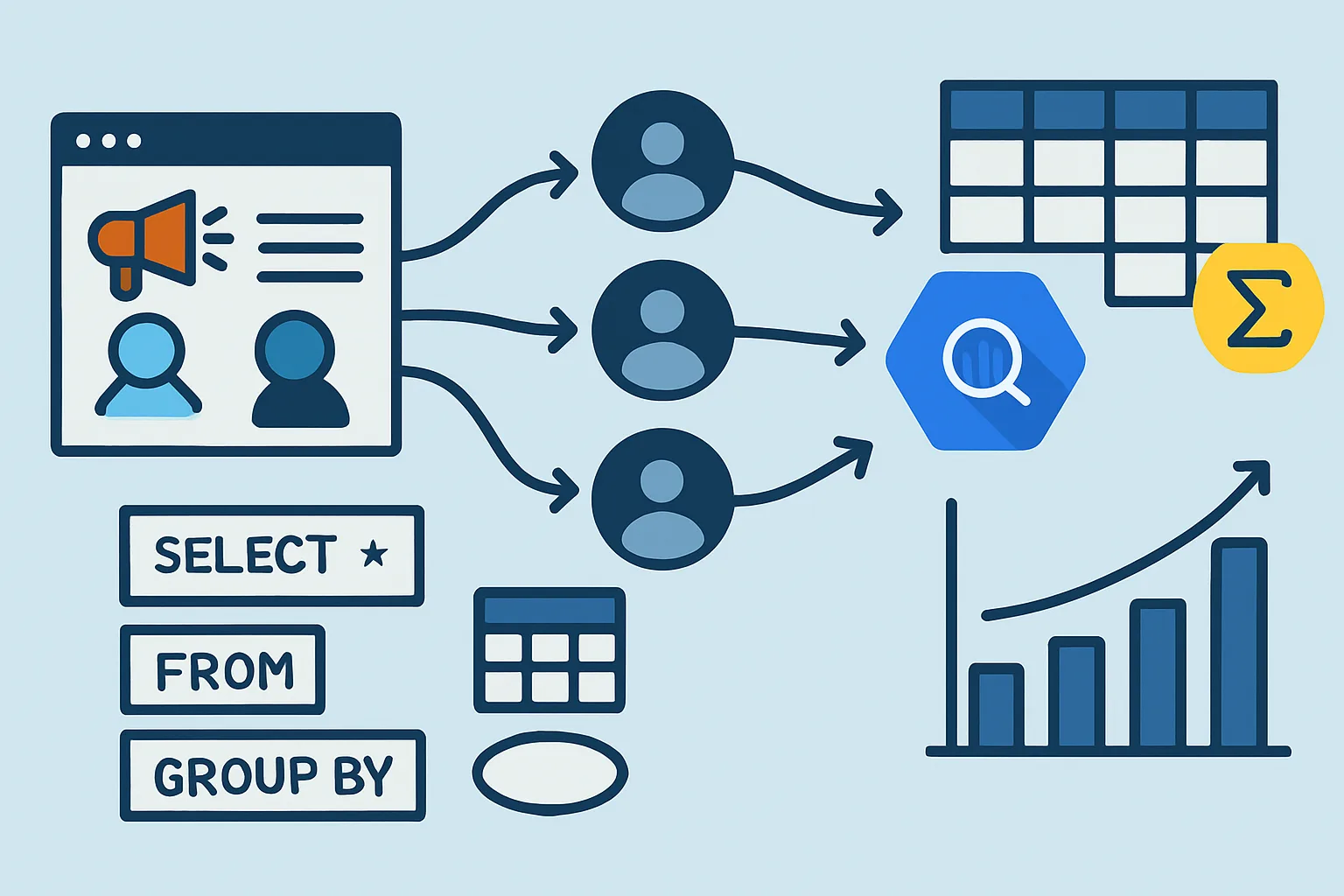
A typical customer interacts with a business as many different identities before you know who they are: an anonymous cookie on their laptop, a different anonymous cookie on their mobile, a lead record in your CRM with an email address, a customer record in your order system with a user ID, and a subscriber in your email platform with another ID. Identity resolution is the process of recognising that these are all the same person.
How CDPs Resolve Identity
CDPs maintain an identity graph that links different identifiers to the same customer profile. Common identifiers:
- Anonymous IDs: Browser cookies, device IDs — created automatically before any personal data is collected
- Email address: Provided when a user signs up, downloads content, or makes a purchase
- User ID: Your internal identifier assigned at account creation
- Phone number: Provided during checkout or registration
- CRM ID, Shopify customer ID, etc.: Identifiers from other systems
When a user provides their email (e.g., fills out a form), the CDP links their current anonymous ID to that email. All previous anonymous events from that device are now attributed to the identified user.
The alias() Call
In Segment and RudderStack, the alias() call is used to link an anonymous ID to a known user ID at the moment of signup. This is the most critical identity resolution call — it merges the entire pre-signup history with the post-signup history. Miss this call and you lose the attribution chain from ad click to signup to conversion.
Deterministic vs Probabilistic Matching
- Deterministic matching: Links profiles using exact identifier matches — same email on two events = same person. High confidence, low coverage (only matches when the identifier is present).
- Probabilistic matching: Links profiles based on statistical likelihood — same IP + same device fingerprint = probably the same person. Higher coverage, lower confidence. Some CDPs offer this as an option, but it introduces false matches.
Most CDP implementations start with deterministic matching and only add probabilistic matching if cross-device matching is critical to specific use cases.
Privacy Implications
Identity resolution across devices requires user consent under GDPR and CCPA. Ensure your consent management captures appropriate consent before linking identifiers across touchpoints. Our CDP implementation service includes consent architecture design as part of every engagement.
Need expert tracking setup?
Our Google Tag Manager experts have delivered 500+ tracking setups with a 98% success rate.
Get a Free Consultation →